en
en 


You probably wonder which hydraulic lift cylinder suits your needs best. Most users choose double-acting cylinders, which make up nearly 70% of the market, while single-acting cylinders serve about 30% of hydraulic systems. Double-acting cylinders use hydraulic force for both extension and retraction, while single-acting cylinders rely on hydraulic force for one direction only. You see these cylinders in construction, manufacturing, agriculture, and other industries. Kaixin Electromechanical stands as a trusted provider, helping you select the right cylinder for your specific application.
Key Takeaways
-
Single-acting hydraulic cylinders are cost-effective and ideal for simple tasks requiring force in one direction.
-
Double-acting hydraulic cylinders provide faster operation and precise control, making them suitable for complex and demanding applications.
-
Evaluate your load and frequency needs to choose the right cylinder type for your specific tasks.
-
Regular maintenance is crucial for both cylinder types to ensure reliability and prevent mechanical issues.
-
Consult experts like Kaixin Electromechanical for tailored advice and support in selecting the best hydraulic lift cylinder.
Single-Acting Hydraulic Cylinders
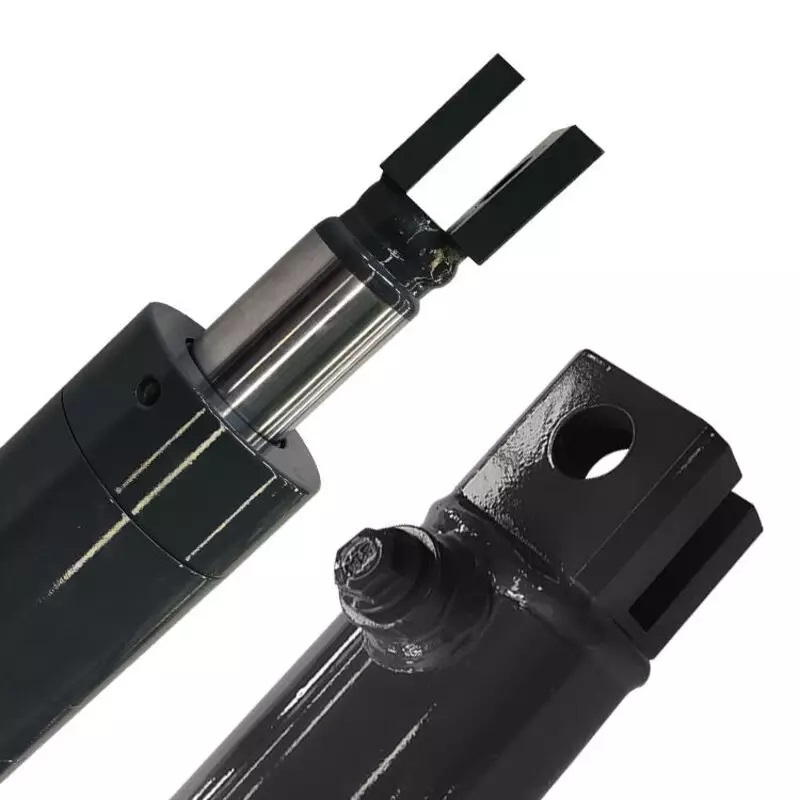
Advantages of Single-Acting Cylinders
You gain several benefits when you choose single-acting hydraulic cylinders. Their design is simple and easy to understand. You find these cylinders compact and space-saving, which helps when you work in tight areas. You save money because they are cost-effective. You often see them used in mobile equipment.
Single-acting hydraulic cylinders operate with minimal energy input. You use less power for tasks that require force in one direction. This makes them more energy-efficient compared to double-acting cylinders, especially during lifting or pressing jobs.
Single-acting hydraulic cylinders reduce the chance of mechanical failures. You spend less time and money on maintenance. Their straightforward design makes them reliable for many applications.
-
Simple and easy-to-understand design
-
Compact and space-saving build
-
Cost-effective
-
Ideal for mobile equipment
Drawbacks of Single-Acting Cylinders
You should know the limitations before you select single-acting hydraulic cylinders. The spring inside takes up much space and leaves you with a limited working area. You get reduced thrust because the spring pushes against the hydraulic force. Over time, the piston stroke becomes inconsistent as the spring wears out. You must prepare compressed air for some models.
You may also face mechanical issues:
-
Rod bending
-
Scoring or uneven wear
-
Premature seal failure
These drawbacks can affect performance and reliability. You need to check your application requirements before you decide.
Best Uses for Single-Acting Cylinders
You use single-acting hydraulic cylinders in jobs that require movement in one direction. They work well for lifting, pressing, or clamping tasks. You see them in manufacturing and construction because they fit these needs.
Here is where you find single-acting hydraulic cylinders most often:
|
Industry |
Applications |
|---|---|
|
Manufacturing |
Presses, Injection molding machines, Material handling equipment |
|
Construction |
Excavators, Dump trucks, Cranes |
You choose single acting hydraulic cylinder for simple, repetitive tasks. You benefit from their energy efficiency and low maintenance. If you need a cylinder for one-way movement, single-acting hydraulic cylinders offer a practical solution.
Double-Acting Hydraulic Cylinders
Advantages of Double-Acting Cylinders
You gain several performance benefits when you choose double-acting hydraulic cylinders. These cylinders exert force in both directions, which means you complete tasks faster. Hydraulic fluid acts on both sides of the piston, so you experience quicker extension and retraction. This feature increases productivity and helps you finish jobs efficiently. You also enjoy higher efficiency and more precise control over load movement.
Double-acting hydraulic cylinders deliver consistent and uniform force throughout the stroke. You notice smooth operation, even during demanding tasks. Superior control over piston rod movement allows you to position loads with accuracy. You find these cylinders versatile, as they perform multiple tasks across industries.
You rely on double-acting hydraulic cylinders for controlled and flexible operations. Their advanced performance supports precision applications, making them valuable in manufacturing and construction.
-
Faster cycle times
-
Precise positioning
-
Smooth and consistent force delivery
-
Versatile for many tasks
Drawbacks of Double-Acting Cylinders
You should consider some drawbacks before you select double-acting hydraulic cylinders. Leaking seals can cause loss of hydraulic fluid and reduce efficiency. Sticking pistons may result from contamination, which affects smooth operation. Overheating can damage internal components if you apply excessive pressure or lack proper lubrication.
You might encounter uneven movement due to misalignment or wear. Slow operation can occur if you have low pressure or internal leaks. These issues require regular maintenance and careful monitoring.
-
Leaking seals
-
Sticking pistons
-
Overheating
-
Uneven movement
-
Slow operation
Best Uses for Double-Acting Cylinders
You see double-acting hydraulic cylinders in many sectors and machinery types. Agriculture, construction, industrial recycling, waste handling, oil and gas, and mining all rely on these cylinders. You find them in dump trucks, drill rigs, balers, excavators, aerial lifts, and tractors.
Double-acting hydraulic cylinders excel in applications that demand precise control and rapid movement. You use them in manufacturing and construction for tasks that require bidirectional force and accurate positioning.
You choose double-acting hydraulic cylinders when you need versatility and reliability in demanding environments.
Hydraulic Lift Cylinder Comparison
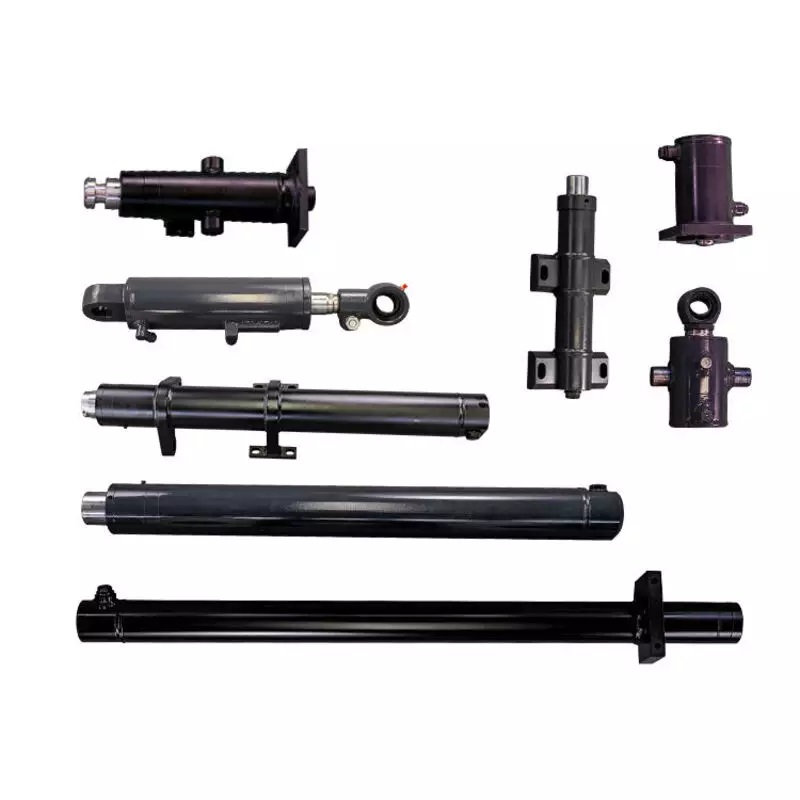
Pros and Cons Table
You can quickly see the differences between single-acting and double-acting hydraulic lift cylinders in the table below. This performance comparison helps you decide which cylinder fits your needs.
|
Cylinder Type |
Pros |
Cons |
Best Uses |
|---|---|---|---|
|
Single-Acting |
Lower cost, simple design, fewer parts, reliable for basic tasks |
Limited movement, slower operation, less control, spring wear |
Lifting, pressing, clamping, simple machinery |
|
Double-Acting |
Faster cycles, precise control, versatile, consistent force |
Higher cost, more maintenance, more points of failure |
Heavy-duty equipment, rapid movement, precision tasks |
You notice that single-acting cylinders cost less to manufacture, install, and repair. Their simple design means fewer parts can fail. Double-acting cylinders cost more because they have extra components and complexity. You benefit from faster extension and retraction with double-acting cylinders, which boosts productivity.
Single-acting cylinders may last longer in simple applications because they have fewer parts that wear out. Double-acting cylinders offer greater efficiency and speed, especially in demanding environments.
Application Suitability
You need to match the right hydraulic lift cylinder to your job. Single-acting cylinders work best for tasks that require force in one direction. You use them for lifting, pressing, or clamping. Their reliability and low maintenance make them ideal for simple, repetitive operations.
Double-acting cylinders suit jobs that demand speed and precision. You choose them for heavy-duty equipment, rapid movement, and tasks that need accurate positioning. Their versatility lets you handle complex operations in construction, manufacturing, and agriculture.
-
Single-acting hydraulic lift cylinder: Best for basic, one-way movement and cost-sensitive projects.
-
Double-acting hydraulic lift cylinder: Best for high-speed, precision, and multi-directional tasks.
You make your decision based on the comparison of cost, efficiency, and lifespan. You select the cylinder that matches your workload and control needs.
Choosing the Right Hydraulic Lift Cylinder
Assessing Load and Frequency
You start by evaluating the load and frequency of your application. The weight and movement cycles of your equipment determine which cylinder type fits best. If you need a hydraulic lift cylinder for tasks where holding a load is critical, single-acting cylinders offer a cost-effective solution. You benefit from their simple design and reliability. When your operation demands fast cycle times or frequent directional changes, double-acting cylinders deliver superior performance. You experience consistent force and precise control, which is essential for high-volume or automated systems.
-
Single-acting cylinders excel in applications with critical load holding.
-
Double-acting cylinders suit tasks with frequent movement and rapid cycles.
-
You choose based on how often you operate the cylinder and the weight you need to move.
Control and Precision Needs
You consider the level of control and precision required for your job. Double-acting hydraulic lift cylinders allow you to apply hydraulic fluid on both sides of the piston. This gives you direct control over extension and retraction. You achieve smooth and accurate movement, which is vital for positioning systems and industrial presses. Single-acting cylinders only exert force in one direction. You rely on external forces for retraction, which limits their versatility. Double-acting cylinders have two connection ports, enabling controlled movement and force in both directions. You select them for applications that demand precise load handling and consistent performance.
Tip: For jobs that require exact positioning or smooth transitions, double-acting cylinders provide the best results. Single-acting cylinders work well for simpler tasks where precision is less important.
You also review system design requirements. You match force requirements to the load weight and friction. You check stroke length to ensure the cylinder fits your space and provides the needed travel. You verify operating pressure to handle spikes and maintain safety. You choose mounting configurations that align and distribute loads properly. You select rod size and seal materials to prevent leaks and resist wear.
Budget and Maintenance Factors
You weigh the initial purchase cost and long-term maintenance expenses. Single-acting cylinders cost less to buy and maintain. Their simple design means fewer parts and fewer potential failure points. Spring return types may face spring fatigue, so you monitor them for wear. Double-acting cylinders cost more upfront and require more maintenance. You focus on piston seal wear due to their complex bidirectional sealing.
|
Cylinder Type |
Initial Purchase Cost |
Maintenance Costs |
|---|---|---|
|
Single-Acting |
Lower |
Lower |
|
Double-Acting |
Higher |
Higher |
You also consider environmental factors. High temperatures reduce hydraulic fluid viscosity, causing increased wear. Low temperatures thicken fluids, making flow and lubrication difficult. Humidity can lead to corrosion and contamination, which affects system performance. You plan for these conditions to extend cylinder life and reduce downtime.
-
Single-acting cylinders have fewer parts and lower maintenance needs.
-
Double-acting cylinders require regular seal checks and more frequent servicing.
Kaixin Electromechanical Advice
You avoid common mistakes by following expert recommendations. Kaixin Electromechanical suggests you specify the piston rod diameter correctly to prevent stress and failure. You prevent rod bending in long-stroke cylinders by choosing the right configuration. You ensure the piston does not bottom out to avoid impact loads. You balance bore diameter and operating pressure for cost-effective design. You add a safety factor to account for real-world conditions. You match seals to the job to minimize maintenance and downtime. You select materials that suit your environment and application.
Kaixin Electromechanical recommends integrating smart technologies for real-time monitoring and control. You benefit from enhanced energy efficiency and customization options. You choose cylinders that support automation and intelligent machinery to improve productivity and reduce costs.
You also review warranty and support options. Manufacturers like Carlson Hydraulics offer a 2-year limited warranty and direct engineering support. You gain quick responsiveness and effective problem-solving, which is important for minimizing downtime.
You follow these steps to match the right hydraulic lift cylinder to your needs:
-
Assess load and frequency requirements.
-
Determine control and precision needs.
-
Evaluate budget and maintenance factors.
-
Consult Kaixin Electromechanical for expert advice and support.
You make an informed decision by considering all these factors. You select the cylinder that delivers reliable performance, fits your budget, and meets your operational demands.
You now understand the main differences between single-acting and double-acting hydraulic cylinders. Review the table below to match your needs:
|
Feature |
Single-Acting Cylinders |
Double-Acting Cylinders |
|---|---|---|
|
Complexity |
Simpler design |
More complex design |
|
Direction of Force |
One direction |
Both directions |
|
Efficiency |
Good for simple jobs |
High efficiency and precision |
|
Applications |
Light industrial, agriculture |
Construction, heavy manufacturing |
|
Cost |
Less expensive |
More expensive |
|
Use Cases |
Dump trucks, vacuum bodies |
Elevators, forklifts, robotics |
For expert results, always choose quality. Kaixin Electromechanical recommends:
-
Never compromise on cylinder quality.
-
Avoid common mistakes like poor assembly or skipping maintenance.
Contact Kaixin Electromechanical for guidance and select the best hydraulic lift cylinder for your project.
FAQ
What is the main difference between single-acting and double-acting hydraulic cylinders?
You use single-acting cylinders for force in one direction. Double-acting cylinders provide force in both directions. Double-acting types give you more control and speed.
How do I know which cylinder type fits my application?
You check your task needs. If you need simple, one-way movement, choose single-acting. For fast, precise, or two-way movement, pick double-acting.
How often should I maintain my hydraulic lift cylinder?
You should inspect seals and moving parts every three to six months. Regular checks help you prevent leaks and extend cylinder life.
Can I replace a single-acting cylinder with a double-acting one?
You can, but you must check system compatibility. Double-acting cylinders need extra hydraulic lines and controls. Always consult a professional before making changes.


 IPv6 network supported |