en
en 


A lift cylinder can drift down under load when leaks or broken seals cause pressure problems inside the cylinder. This hydraulic cylinder drift means the cylinder cannot stay in place and starts to move on its own, which can be dangerous for you and others. You might also notice slow or jumpy movements and have trouble keeping the load steady. To troubleshoot a corrosion-resistant stainless lift cylinder, you can help prevent safety issues, reduce the chance of equipment failure, and ensure your work continues smoothly.
Key Takeaways
-
Look for signs of hydraulic cylinder drift, like too much oil leaking and strange movements. Finding these problems early helps stop safety problems.
-
Do tests like the Drift/Creep Test and Pressure Decay Test to check for drift and find leaks. Doing tests often keeps your equipment safe.
-
Check rod and piston seals often. Old seals can cause leaks and drift, so change them to keep the cylinder working well.
-
Watch pressure gauges while using the machine. If the pressure drops, there may be hidden problems that need quick fixing.
-
Plan regular maintenance, like looking at parts and keeping fluids clean. Taking care of your equipment early stops expensive repairs and keeps things safe.
Hydraulic Cylinder Drift Causes
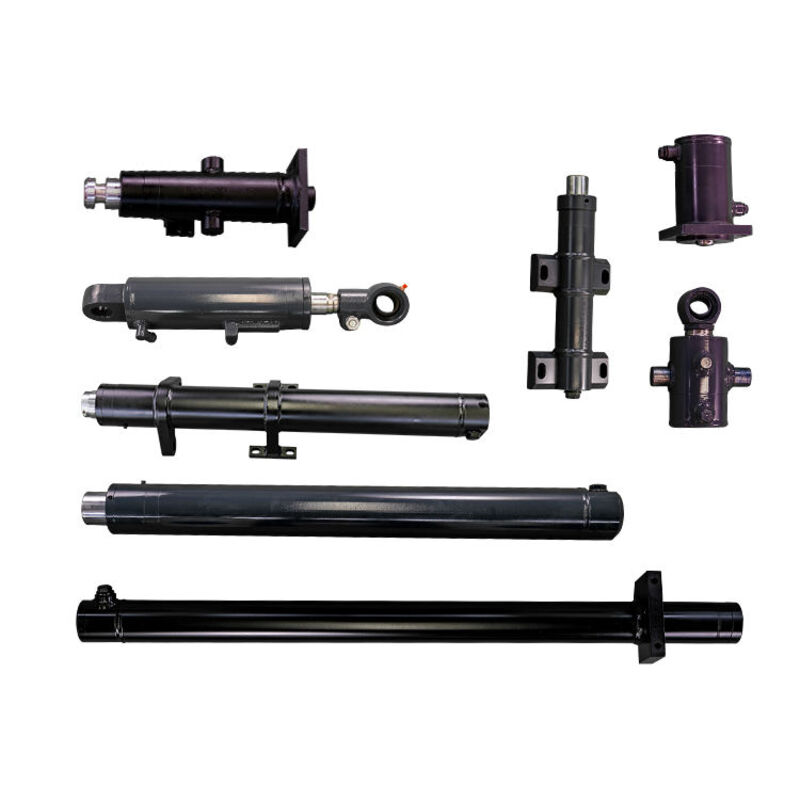
Internal Leaks and Seal Failures
Hydraulic cylinder drift often happens because of internal leaks or seal failures. These issues let fluid slip past the piston seal. The cylinder then cannot stay in place when holding a load. If you see oily rods or dirt under the wipers, the seal may be broken. Internal leaks can make the cylinder move even if the control valve is set to neutral. This movement can be unsafe and makes your equipment less accurate.
-
Common signs of internal leaks and seal failures include:
-
Cylinder drift or leak-down
-
Trouble holding position under load
-
Fluid slipping past the piston seal
-
Piston seals that are worn or damaged
-
Parts inside the cylinder that are worn out
-
Low levels of hydraulic fluid
-
Tip: You can use tests like the Drift/Creep Test, Bypass/Isolation Test, and Pressure Decay Test to find internal leaks. These tests help you watch rod movement, check oil flow, and see changes in pressure.
Pressure Imbalances
Pressure imbalances can also cause cylinder drift. If fluid leaks from one side of the piston to the other, the pressure is not equal. This makes the piston move away from its neutral spot, so the cylinder drifts. If the rod seal leaks, the cylinder can get locked by hydraulic fluid, which also causes drift.
|
Cause of Drift |
Description |
|---|---|
|
Internal Leaks |
Fluid moves from one side of the piston to the other, making pressure uneven. |
|
Rod Seal Leaks |
Leaks can lock the cylinder with hydraulic fluid, causing drift. |
|
Unequal Pressure |
Oil leaks make pressure uneven, so the cylinder moves when it should not. |
Check for pressure imbalances if you see strange movement or lose control of your hydraulic lift system.
Valve Seal Issues
Valve seal problems can cause hydraulic cylinder drift too. Many people think only piston seal leaks cause drift, but valve seal failures are important. Fluid contamination, high heat, and cylinder vacuum can harm valve seals. If valve seals fail, you might notice odd flow rates, leaking hydraulic fluid, or loss of system pressure.
|
Symptoms of Valve Seal Failure |
Troubleshooting Steps |
|---|---|
|
Odd flow rates |
Look for leaks |
|
Leaking hydraulic fluid |
Test system pressure |
|
Loss of system pressure |
Check for contamination |
|
Lower system performance |
Check actuator performance |
|
Strange noises |
Ask technical experts |
|
Overheating |
|
|
Physical damage |
|
You should check valve seals during maintenance. This helps stop hydraulic cylinder drift and keeps your equipment safe.
Troubleshoot Hydraulic Cylinder Drift
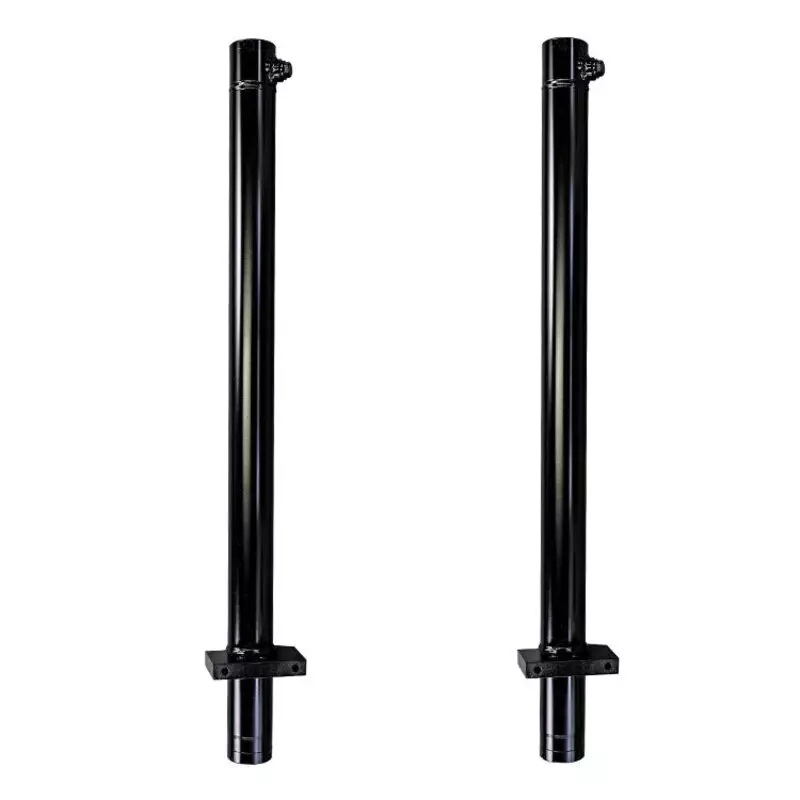
Identify Symptoms
You can spot hydraulic cylinder drift by watching for certain warning signs. These symptoms help you catch problems early and keep your equipment safe. Look for these common issues:
-
Excessive oil leaks, especially at the base of the rod
-
Needing to raise the lift often to keep it at the right height
-
Jerky or erratic movement when lifting or lowering
-
“Stick-slip” action, where the lift stops and then suddenly drops
-
Struggling to lift normal loads
You should also check for overheating hydraulic fluid, odd noises, and frequent fluid top-ups. These signs often point to internal leaks or pressure problems inside the cylinder.
Confirm Drift with Tests
To confirm if your lift cylinder drifts under load, you need to run a few simple tests. Start by placing the cylinder on a flat surface. Fill it with hydraulic oil through the extend and retract ports. Use a relief valve to pressurize the end ports. Watch for any movement or pressure drops. If the rod moves or the pressure falls, you likely have a leak.
Regular functional testing as part of your maintenance routine helps you catch drift early. You can also use a drift or creep test. Apply a load and watch the rod over time. If it moves, you have internal leakage. These tests help you troubleshoot a lift cylinder before bigger problems develop.
Check Rod and Piston Seals
Rod and piston seals play a big role in keeping your cylinder working right. If these seals fail, oil can leak inside the cylinder, causing drift. You can use different tests to check for leaks:
|
Test Method |
Description |
|---|---|
|
Drift/Creep Test |
Apply a load and watch the rod. If it moves, you have internal leakage. |
|
Bypass/Isolation Test |
Disconnect hoses, apply pressure, and measure flow. If oil moves past the piston seal, you have a leak. |
|
Pressure Decay Test |
Isolate the cylinder and watch the pressure. A drop means internal leakage. |
You should also do a visual inspection. Look for oil contamination on seals, hoses, and connections. Check the rod for pockmarks or scoring. Inspect the cylinder body and attachments for cracks or other damage. These steps help you find leaks and worn parts before they cause bigger issues.
Evaluate Pressure Gauges
Pressure gauges give you important clues when diagnosing cylinder drift. Fill the cylinder with hydraulic oil at both ports. Make sure the cylinder sits level. Use a relief valve to pressurize the end ports. Watch the pressure gauge closely. If you see a drop in pressure, you may have a seal leak.
You can also check the pressure on both the rod and piston sides. If the pressure rises on the rod side, the piston must work harder to hold the load. This can point to a problem with the piston or rod seals. If you cannot see any fluid leaks, the pressure gauge helps you troubleshoot hydraulic cylinder drift by showing hidden issues inside the cylinder.
Tip: Always include pressure gauge checks in your maintenance routine. This helps you catch problems early and avoid costly repairs.
By following these steps, you can troubleshoot a lift cylinder, confirm drift, and find the cause of the problem. Diagnosing cylinder drift early keeps your equipment safe and working well.
Troubleshoot a Lift Cylinder: Repair Steps
Replace Seals and Valves
You can fix a agricultural machinery hydraulic lift cylinder by changing old seals and broken valves. This helps keep pressure steady and stops leaks that make the cylinder drift. Here are steps to repair your hydraulic cylinder:
-
Let out all pressure by moving the control valve.
-
Take off the hydraulic hoses and drain the fluid from the cylinder.
-
Remove pins, nuts, or bolts at the end of the piston rod.
-
Pull the piston rod out of the cylinder. Keep dirt away from the parts.
-
Take off old seals and O-rings from the piston and guide bushing. Clean the grooves. Put in new seals and O-rings one at a time.
-
Put the piston back together. Use threadlocker on the piston nut or bolt to keep it tight.
-
Screw the guide bushing back in place. Do not damage the threads.
-
Attach the hoses again, fill the cylinder with hydraulic oil, and test for leaks under pressure.
You will need tools like snap-ring pliers, a gland spanner wrench, a soft-jaw bench vise, and brass picks. Always use the right seal kit for your cylinder.
Prevent Overheating
Too much heat can make seals break and get hard. This causes leaks inside and makes pressure uneven. You can fix a lift cylinder by keeping it cool and stopping drift.
|
Problem |
Prevention |
|---|---|
|
Too much heat in hydraulic systems can ruin fluid, break seals, and lower efficiency. |
Watch the system temperature and keep it in the safe range. Use cooling fans or heat exchangers if it gets hot. Do not run at high pressure for too long without cooling. Make sure fluid levels are good and use heat-resistant fluids if needed. |
Check the temperature often. Make sure your equipment can cool itself enough. Run the cylinder at the right temperature so it works well under load.
DIY vs Professional Repair
You can fix a lift cylinder and do easy repairs like changing seals if you have the right tools and follow safety rules. If you see deep marks inside the cylinder, find hard valve problems, or cannot stop leaks after fixing, call a professional.
Note: Always ask for expert help if you feel unsure or if the cylinder holds heavy loads that could hurt someone.
A professional can test the hydraulic system, check for hidden pressure problems, and make sure your cylinder works safely.
You can keep your multi-stage telescopic lift cylinder working safely by following a few key steps. First, check for leaks, test pressure, and inspect seals often. Use these main troubleshooting steps:
-
Test for pressure loss and leaks.
-
Inspect piston and rod seals.
-
Watch pressure gauges for changes.
To prevent drift, you should:
-
Inspect cylinders every year.
-
Keep hydraulic fluid clean.
-
Replace filters on schedule.
-
Lubricate and align parts.
If you face complex repairs or safety risks, always ask a professional for help.
FAQ
What causes a lift cylinder to drift down?
You often see drift when seals fail or internal leaks let hydraulic fluid move past the piston. Pressure imbalances or valve seal issues can also cause drift. You should check these parts first.
How do you test for hydraulic cylinder drift?
You can run a drift test by applying a load and watching the cylinder rod. If the rod moves without input, you likely have internal leakage. Use pressure gauges to confirm pressure drops.
Can you fix cylinder drift yourself?
You can replace seals and clean parts if you have basic tools and follow safety steps. If you see deep scratches or complex valve issues, you should call a professional or contact Kaixin‘s after-sales staff.
How often should you check hydraulic cylinders?
|
Inspection Type |
Frequency |
|---|---|
|
Visual Check |
Every month |
|
Pressure Test |
Every 6 months |
|
Full Service |
Once a year |
What happens if you ignore cylinder drift?
Ignoring drift can lead to unsafe equipment, sudden drops, and costly repairs. You risk damaging your lift and hurting people nearby. Always fix drift as soon as you notice it.


 IPv6 network supported |